Featured
Table of Contents
Self-destructive habits such as drug abuse, restrictive or binge consuming, careless vehicle driving, or risky spontaneous behavior are different from self-harming actions but are likewise seen in clients with a background of trauma. Suicidal behaviors vary from self-harming actions in that there may be no instant negative impact of the behavior on the person; they differ from self-destructive actions in that there is no intent to create fatality in the short-term.
They ought to consider looking for specialized guidance on just how to handle such clients properly and securely and exactly how to manage their feelings about these problems. The adhering to suggestions presume that the counselor has actually had sufficient training and experience to deal with customers who are self-injurious. To respond properly to a customer who takes part in self-harm, counselors should: Evaluate the client for self-harm and suicide threat at the preliminary assessment and throughout treatment.
Show the client coping skills that enhance his or her monitoring of feelings without self-harm. Aid the customer get the level of care needed to take care of authentic danger of self-destruction or extreme self-injury. This may include a hospital stay, more intensive shows (e.g., intensive outpatient, partial a hospital stay, domestic therapy), or even more regular treatment sessions.
Assist the customer recognize just how compound use influences self-harm. In some cases, it can raise the behavior (e.g., alcohol disinhibits the client, that is then extra likely to self-harm).
What EMDR Functions in treating Past Trauma for EMDR intensives
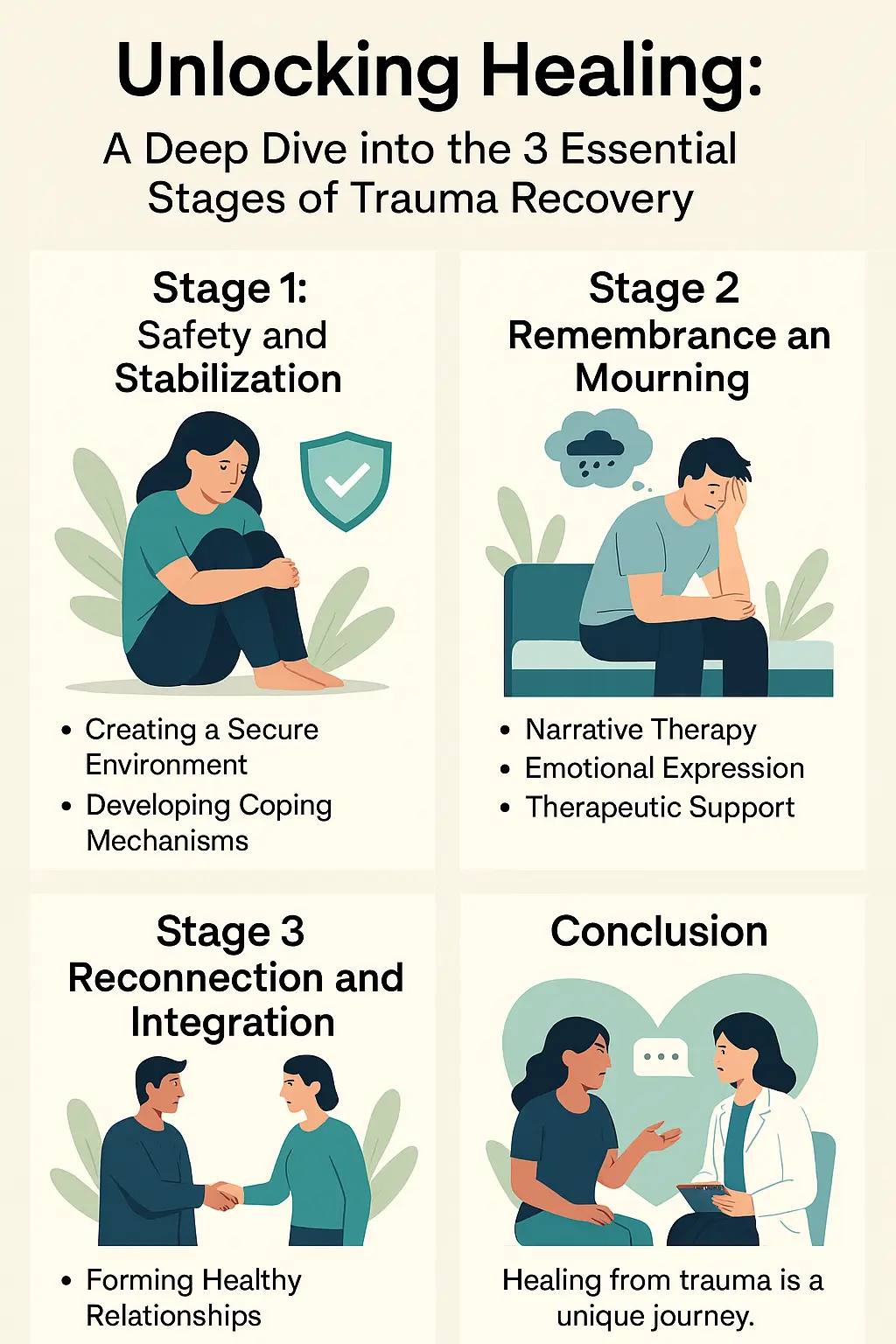
Individuals are affected by injury in different ways; consequently, security or a secure setting may mean something completely various from a single person to the next. Permit the client to specify what safety and security suggests to him or her. Therapists can also assist the client prepare a safety and security card that the customer can bring whatsoever times.
The counselor can discuss with the customer the kinds of indications or dilemmas that may require using the numbers on the card. Additionally, the therapist might contact the customer once in a while to validate that the info on the card is current. TIP 50, Attending To Self-destructive Ideas and Actions in Compound Misuse Treatment (CSAT, 2009a), has examples of safety and security arrangements especially for self-destructive clients and discusses their usages in even more detail.
Desensitization Methods during EMDR in Calgary, AB
Clinicians should know the essential State regulations where they exercise and the pertinent Federal and professional laws. As with self-harming habits, suicidal habits needs to be identified and resolved and may persistor worsenwithout treatment. Compound usage usually is initiated or boosted after injury. Clients in early recovery especially those who develop PTSD or have it reactivatedhave a greater regression danger if they experience an injury.
When the substances are taken out, the survivor might use various other habits to self-soothe, self-medicate, or prevent feelings. As likely, feelings can appear after abstaining in the type of anxiousness and anxiety. Avoidance usually accompanies stress and anxiety and the promotion of stress and anxiety symptoms. People start to prevent individuals, places, or scenarios to ease unpleasant feelings, memories, or circumstances.
Another person may avoid crowded locations in worry of an attack or to circumvent strong psychological memories about an earlier attack that happened in a jampacked area. Avoidance can can be found in several forms. When people can't endure solid influences connected with traumatic memories, they prevent, task, reject, or distort their trauma-related emotional and cognitive experiences.
Your Process to Resolution through Eye Movement Desensitization and Reprocessing in Calgary, AB
Often, trauma survivors really feel ashamed of their tension responses, which even more hampers their capability to utilize their assistance systems and sources effectively. Numerous survivors of childhood misuse and social violence have actually experienced a considerable sense of betrayal. They have often experienced injury by relied on caregivers and relative or through significant relationships.
Each age is at risk in distinct means to the stress and anxieties of a catastrophe, with kids and the senior at greatest danger. Young kids may show generalised concern, nightmares, enhanced arousal and complication, and physical signs, (e.g., stomachaches, migraines). School-age children might display symptoms such as hostile habits and anger, regression to habits seen at more youthful ages, repeating traumatic play, loss of ability to concentrate, and worse school performance.
( 2008 ) discovered that the neuropeptide oxytocin essential for social affiliation and support, add-on, count on, and monitoring of stress and anxiety and anxietywas considerably decreased in the cerebrospinal liquid of women that had actually been subjected to youth injustice, especially those that had actually experienced emotional abuse. The more youth traumas a person had experienced, and the longer their period, the lower that person's existing level of oxytocin was likely to be and the higher her ranking of existing anxiety was likely to be.
Why Clients Can Look For when selecting an experienced EMDR-trained Clinician specializing in Anxiety therapy
( 2006 ) confirmed that the risk of adverse end results in affective, somatic, material misuse, memory, sexual, and aggression-related domain names enhanced as ratings on a step of 8 ACEs increased. The researchers ended that the organization of study ratings with these results can serve as an academic parallel for the effects of collective exposure to anxiety on the establishing brain and for the resulting impairment seen in numerous mind structures and functions.
Products are readily available for therapists, educators, parents, and caregivers. There are unique areas on the requirements of children in army family members and on the impact of natural disasters on children's psychological health and wellness. Many injury survivors experience signs and symptoms that, although they do not meet the analysis requirements for ASD or PTSD, nonetheless limit their ability to work typically (e.g., regulate emotions, maintain constant and satisfying social and family partnerships, function effectively at a job, maintain a stable pattern of abstinence in recuperation).

Latest Posts
Recognition Role within Group Therapy
Expertise To Look For for Mindfulness Therapy
Navigating Mental Wellness: Cognitive Behavioral Therapy and Beyond